
Reversed Tarot Cards: Do They Mean Something Bad?
Do reversed tarot cards mean the opposite, or something bad? Louise explains different ways to read upside-down cards and how to find an approach that suits you.
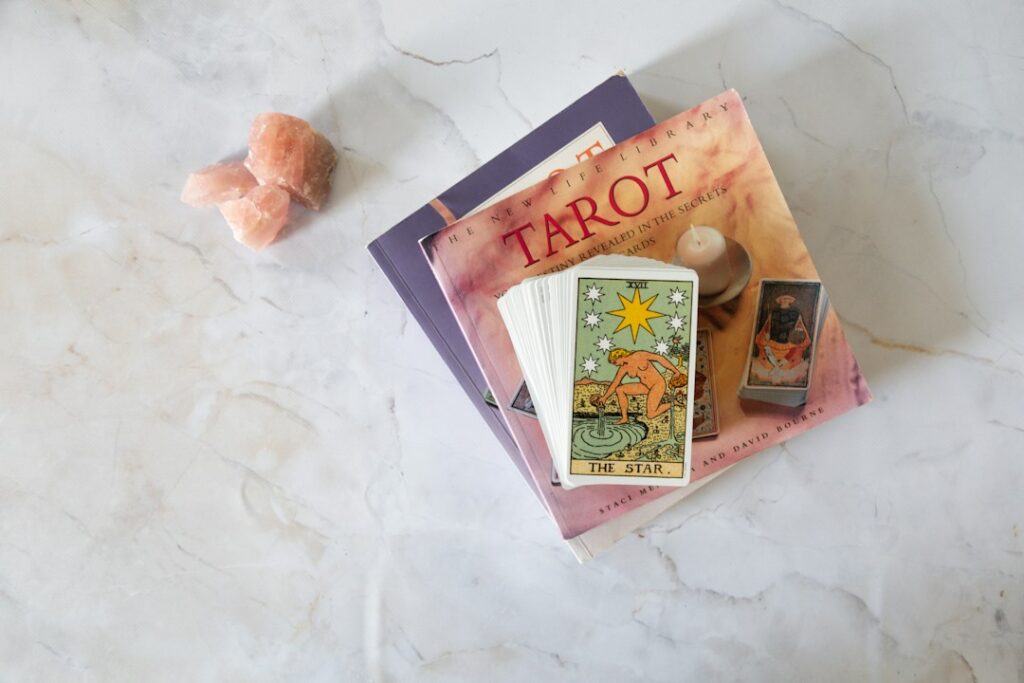
One of the questions people often have when they start learning tarot is what to do when a card appears upside down. Is it the opposite of the usual meaning? Does it mean something has gone wrong? Or should the card simply be turned around?
There is no single rule that every tarot reader follows. Reversed cards are one of those parts of tarot where your own reading style matters, and you are allowed to find an approach that makes sense to you.
Does a reversed card mean the opposite?
Not necessarily. Some readers interpret a reversed card as a contrast to its upright meaning, but that is only one way to work with it. Others see it as an energy that is delayed, less obvious, turned inward, or asking for a little more attention.
For example, if a card traditionally relates to confidence, its reversed position does not automatically mean you have none. It might invite you to consider where you are holding back, where you are being harder on yourself than you need to be, or whether confidence looks different for you at the moment.
Do you have to read reversals?
No. Plenty of readers work with all their cards upright, especially when they are learning. You can explore the full range of a card’s meaning through the question, the imagery and the other cards in the spread without using reversals at all.
If you do choose to read reversed cards, try not to treat every upside-down card as a warning. Tarot has nuance. A reversed card can offer a fresh perspective and an opportunity for reflection, not a sign that something bad is waiting around the corner.
Find a method that works for you
If you are unsure, experiment with one approach for a while. When a card appears reversed, look at its usual meaning first. Then consider the question you asked and how the surrounding cards shape the reading. Ask what changes when you see it upside down. Does the meaning feel more internal, blocked, quieter, or simply different? Write down your thoughts and see whether a pattern develops over time.
You do not need to learn every interpretation by heart before you begin. Take your time with the images and notice what the card brings to mind. A guidebook can offer useful foundations, but it does not have to replace your own observation.
For me, tarot is not about getting every detail “right” or being frightened of the wrong card. It is about using the cards thoughtfully and staying curious about what they might help us notice.
Do you read reversed cards, or do you prefer to turn every card upright? There is room for both approaches.
Louise